Fašinada – A Living Tradition

Every year in Perast, one of the most unique traditions of Boka Bay takes place—the Fašinada.

Held on July 22nd, this centuries-old custom brings local residents together in boats, forming a procession across the water toward the island of Our Lady of the Rocks. Each boat carries stones, which are then dropped into the sea around the island, slowly strengthening and preserving it.

This tradition dates back hundreds of years and is closely connected to the story of how the island itself was created. According to local history, sailors began placing stones here after discovering an icon of the Virgin Mary on a rock in the sea, and over time, the island gradually took shape.

Today, Fašinada is more than just a ritual—it is a symbol of community, identity, and respect for the past. The sight of decorated boats moving together across the bay, especially at sunset, creates a scene that feels both festive and deeply meaningful.

While visitors may not always witness the event itself, the story of Fašinada remains an important part of the spirit of the bay, connecting the people, the sea, and the traditions that continue to shape life in this region.


From the Bay to the Open Sea

As the journey continues through Kotor Bay, the landscape gradually begins to open, revealing a different side of the coastline. What starts as a calm, enclosed setting between mountains slowly transitions into a wider and more open horizon as the boat moves toward the Adriatic.

This change is not sudden, but it can be felt along the way. The water deepens in color, the movement of the sea becomes more noticeable, and the surrounding scenery shifts from sheltered towns and quiet shores to a more rugged and natural coastline.

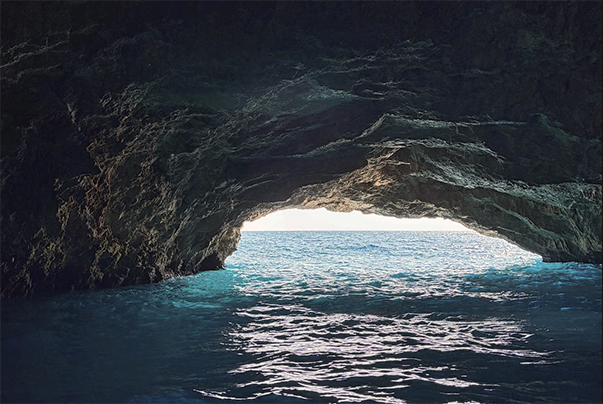
Passing beyond the inner parts of the bay and toward locations such as the Blue Cave, the contrast becomes even more defined. The cliffs appear more exposed, shaped by the open sea, while the atmosphere takes on a sense of space and openness that differs from the calm interior of the bay.

This transition between enclosed and open water is one of the defining elements of the journey, offering a broader perspective of the region and highlighting the diversity of landscapes within a relatively short distance.

Churches Facing the Sea

Along the shoreline of Boka Bay, many of the churches share the same orientation—they face the water.
Some stand directly at the edge, with only a narrow line of stone between their walls and the sea. Others are slightly elevated, looking out across the bay from a quiet distance. In both cases, their position is deliberate.

For centuries, the sea represented both livelihood and uncertainty. It connected communities, but also exposed them to risk. Placing churches along the coast created a visible presence—something constant, watching over movement on the water.

One of the most well-known examples is Our Lady of the Rocks, built on a man-made island in the middle of the bay. Its location reflects a long tradition of linking faith with the sea, not separated from it, but placed directly within it.

From the boat, these structures appear quietly integrated into the landscape. They do not dominate the view, but become part of it—stone, water, and light forming a single composition.

Passing by, they offer a sense of continuity. Not as landmarks to be visited, but as enduring points of reference in a place where much else is shaped by change.

The Final Stretch of the Journey

As the boat tour through the bay comes to an end, the return to Kotor brings a different kind of atmosphere. The same route that once felt like the beginning now carries a quieter, more reflective tone.

Moving back through the water, the landmarks appear familiar, but the perspective has changed. What was once new now feels recognized, and the pace of the boat seems to settle naturally as the town slowly comes back into view.

The mountains begin to close in again, shaping the space in a way that feels more enclosed. The open stretches of the bay give way to narrower passages, and the rhythm of the journey becomes more contained.

From a distance, Kotor appears gradually—first as a faint outline, then as a clearer form, until the details of the old town and the surrounding walls become visible once again.

There is no clear end to the experience, only a gentle transition back to where it began. The movement slows, the water calms, and the journey concludes in the same setting, now seen with a different sense of familiarity.

For many, this final part of the route is not just a return, but a moment to take in everything that has quietly unfolded along the way.

St George Island

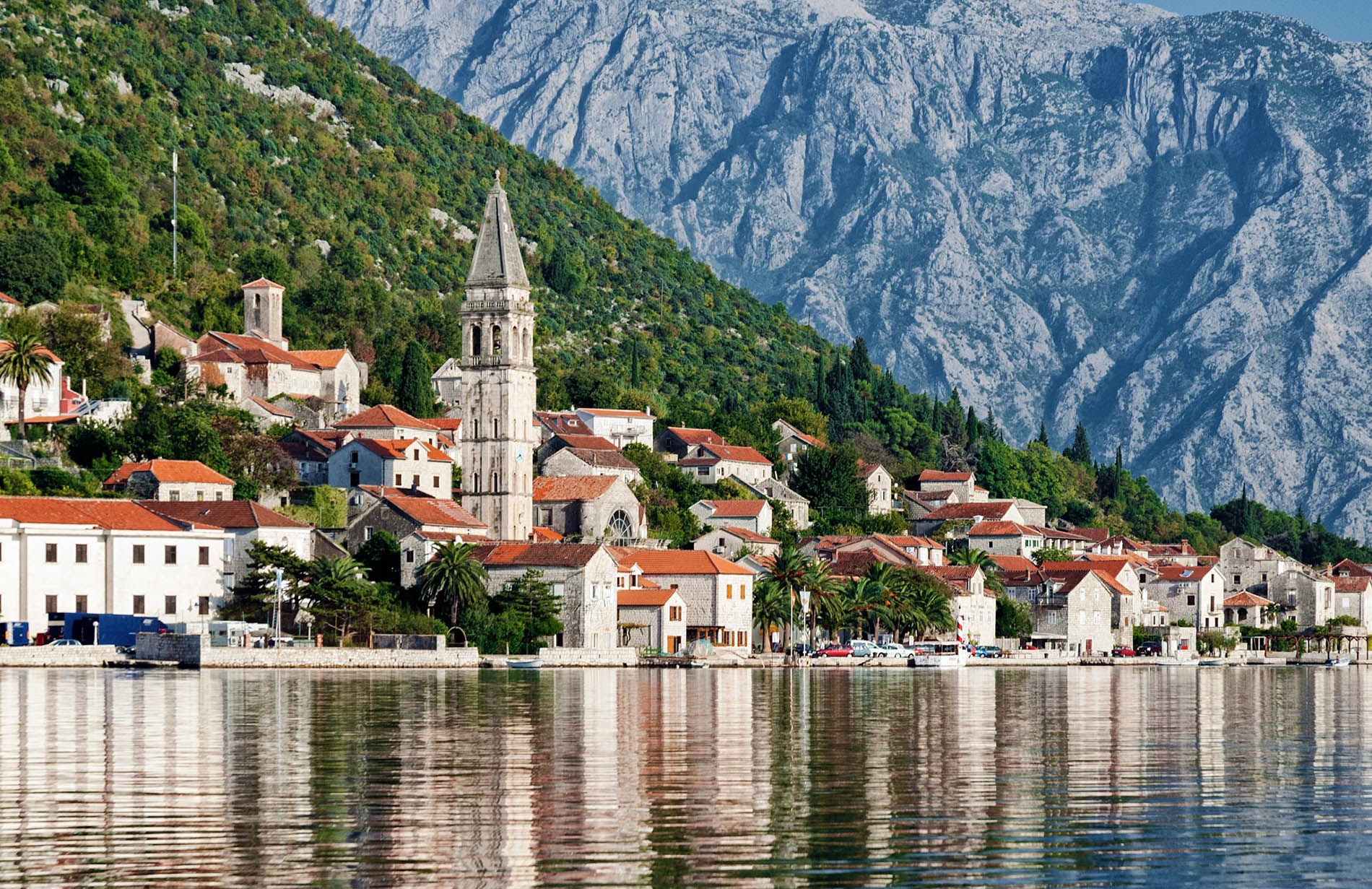
Near the historic town of Perast, two small islands sit opposite each other in the calm waters of Bay of Kotor. While Our Lady of the Rocks is well known for its church and museum, its neighbor offers a quieter, more mysterious presence.

St. George Island is a natural island, home to a Benedictine monastery and an old cemetery shaded by tall cypress trees. For centuries, it served as an important spiritual site for the local community, with many noble families laid to rest within its grounds.

Although the island is not open to visitors today, it can be admired from the sea. Passing by, you’ll catch a glimpse of the monastery, ancient stone walls, and dense greenery—creating one of the most serene and captivating views in this part of the bay.

During boat tours across Kotor Bay, guests can enjoy a panoramic perspective of this tranquil island alongside the iconic Our Lady of the Rocks and the picturesque shoreline of Perast— one of the most iconic views along the Montenegrin coast.

This beautiful moment was captured by one of our guests during a boat tour, an authentic glimpse of the magic you can experience firsthand.

Image
© 2019 SeaStars, All Right Reserved

BLUE CAVE PRIVATE BOAT TOUR PACKAGE

blu cave ticket

VIP ALL DAY BOAT TOUR

perast ostrva

Digitalni bedž Preduzetnik

© 2019 SeaStars.me, All Right Reserved.